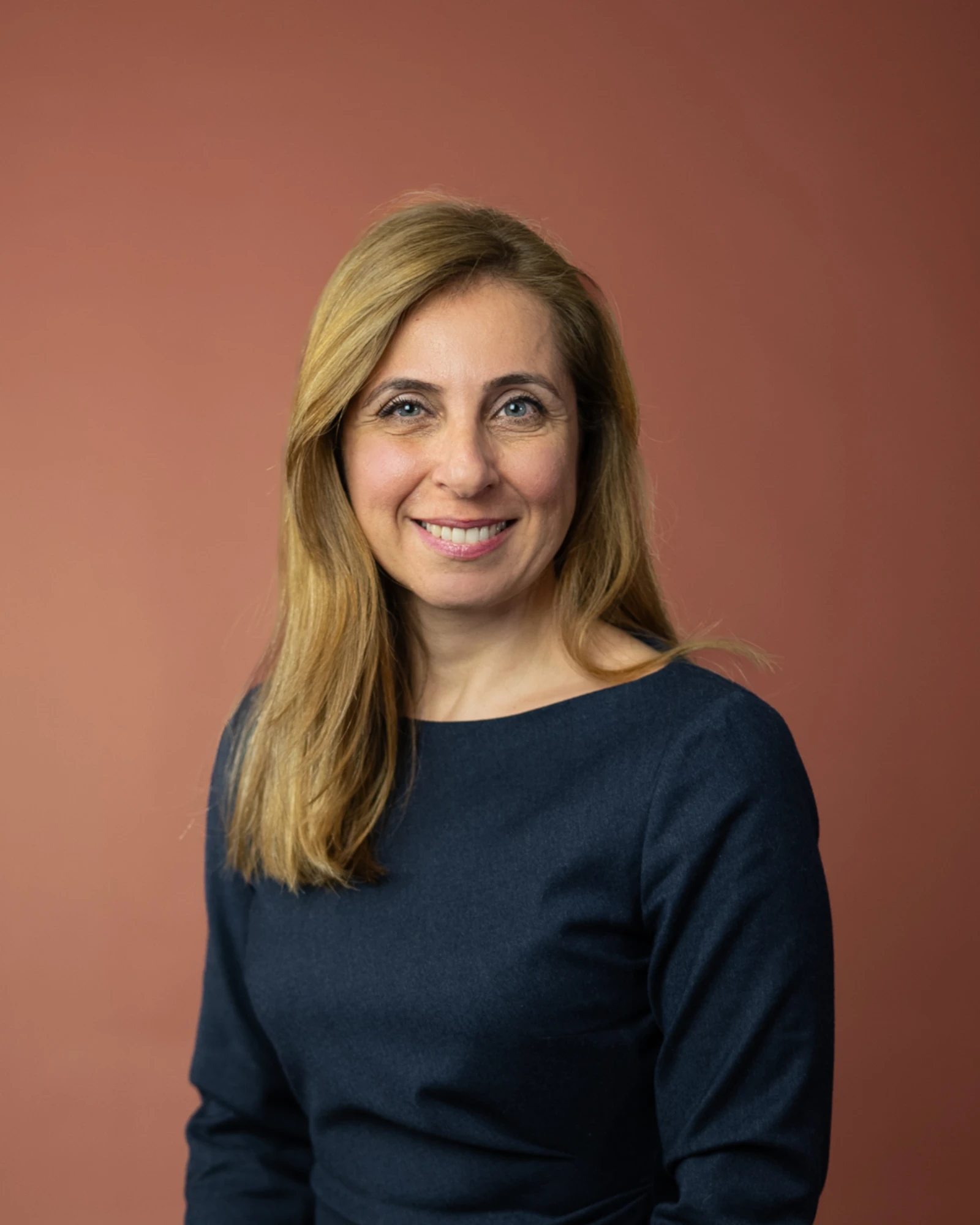
I am Professor of Sociology at the University of Groningen and a Rosalind Franklin Fellow.
I have pursued research on migration and social inequalities, employing qualitative interviewing and personal network analysis as my primary data collection methods. My principal scholarly objective is to explore how the transnationality of mobile and non-mobile populations shapes their life worlds, social protection, and experiences of inequalities in families and in the opportunity structures of different welfare states. My work focuses on investigating the personal connections of migrants, the content of their life worlds—such as differences in education, work and family life, and healthcare across countries—and the influence of migrants’ personal networks on how protective resources flow across national borders. My main argument is that being embedded within at least two different nation-state structures and having personal ties across borders not only reproduces “old” inequalities but also generates “new” ones. Furthermore, I examine how social mechanisms such as trust, reciprocity, or brokerage underlie these inequality patterns. I analyze how these mechanisms emerge in diverse contexts (e.g., health, care, higher education) based on migrants’ social positions in various hierarchies, including gender, age, ethnicity, and class, considering not only the welfare systems of countries of immigration but also those of countries of emigration.
My approach is based on three major premises. First, inequality is a universal concern: it affects every individual across the globe, highlighting the need for science-based policy on social inequalities. Second, there are critical interdependencies between migrants and non-migrants, so a multi-sited, mixed-methods research approach is necessary to understand individuals’ life worlds. Third, every individual is surrounded by others; without understanding the embeddedness of people and the content of their personal relationships in depth, we cannot fully grasp social hierarchies, positionings, and inequalities.